Discover the Beauty and Rich Heritage of
Koumaros VIllage
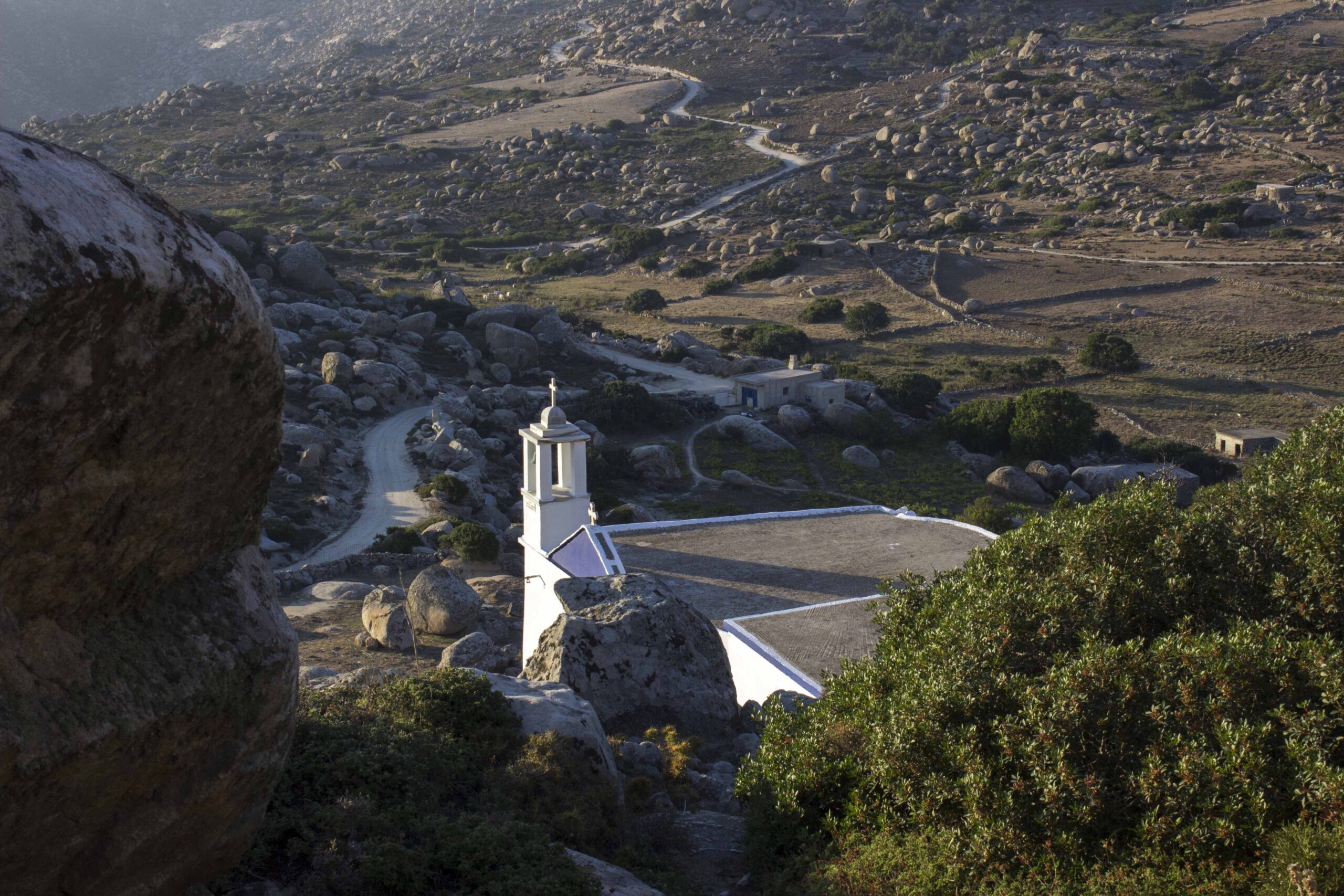
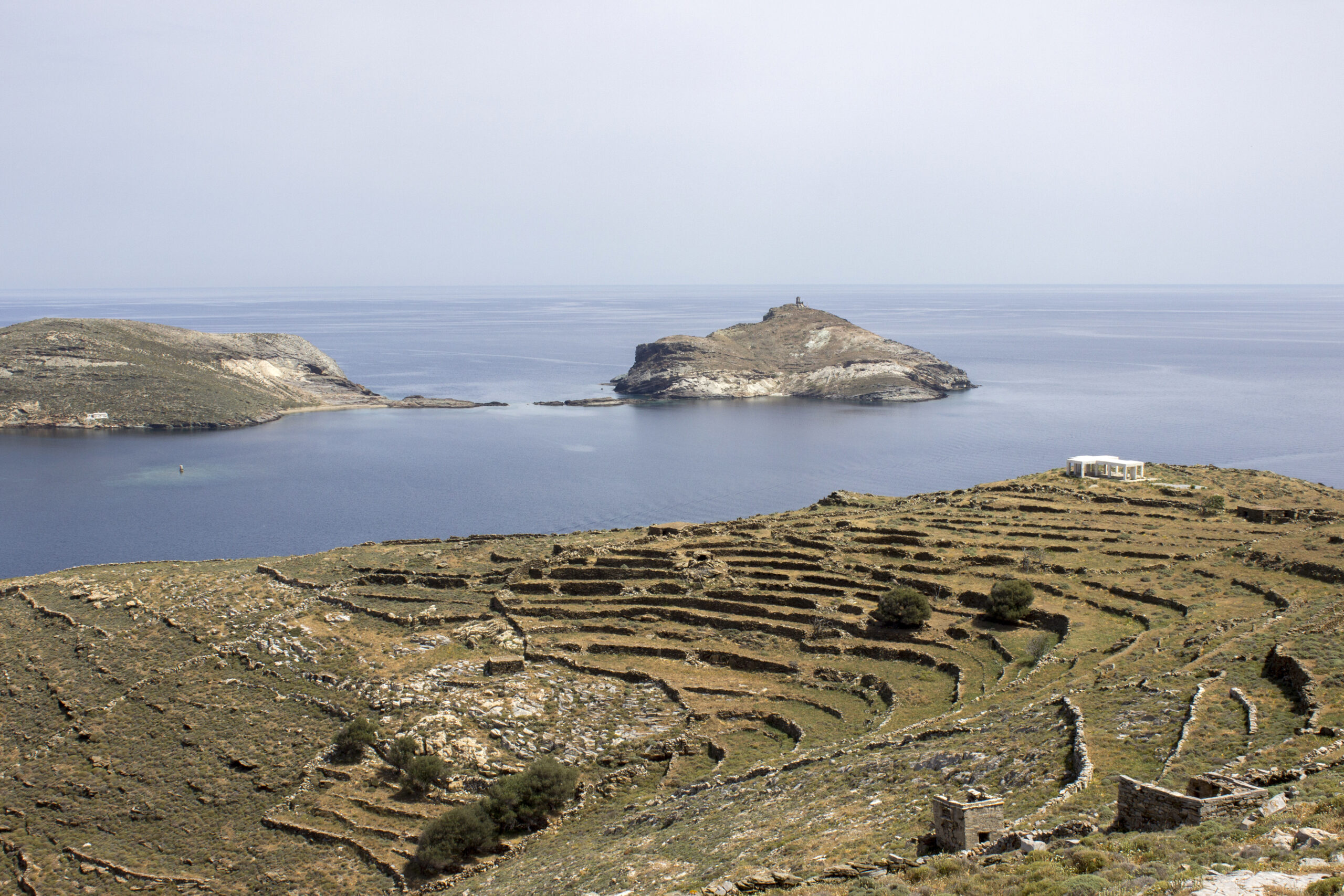
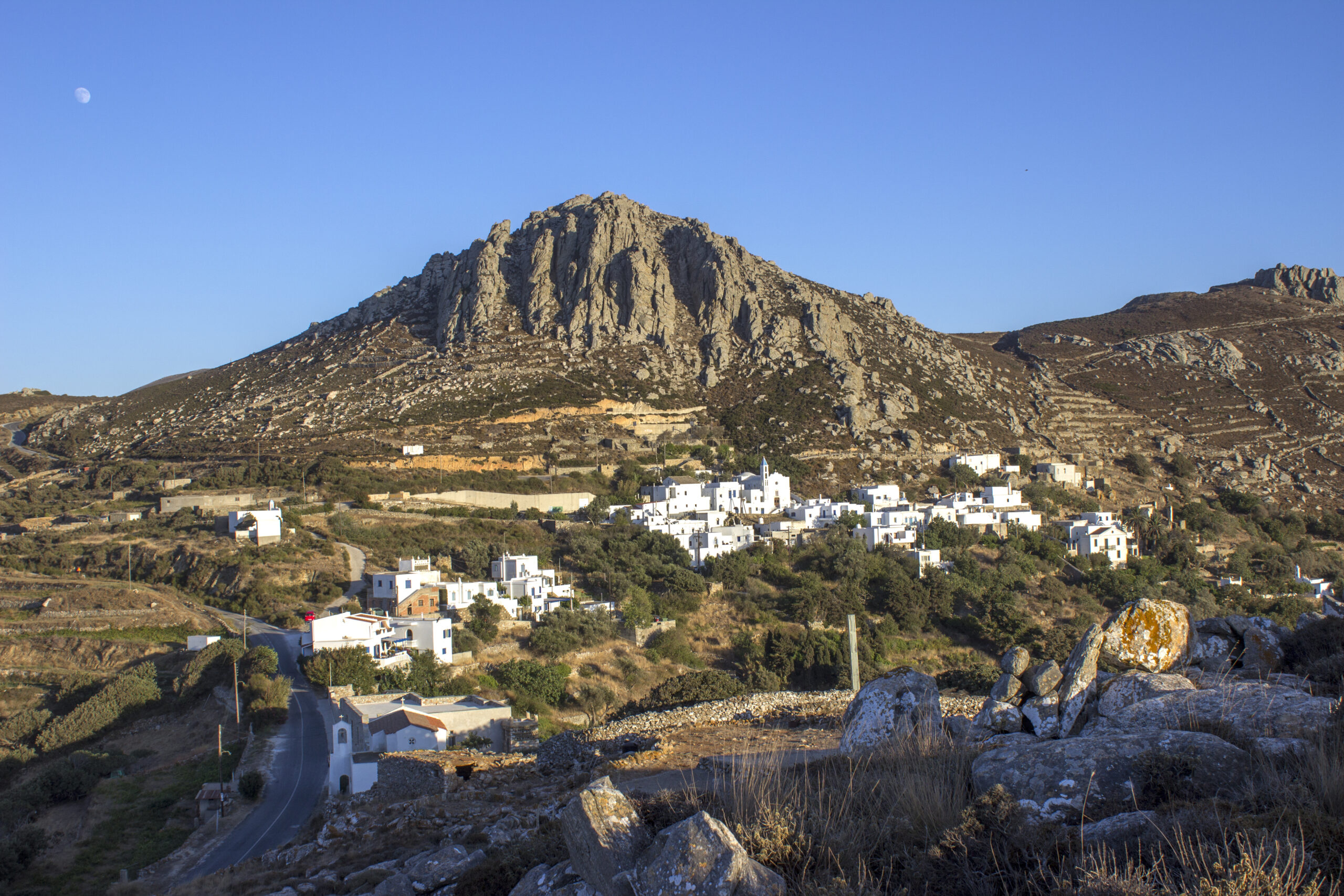
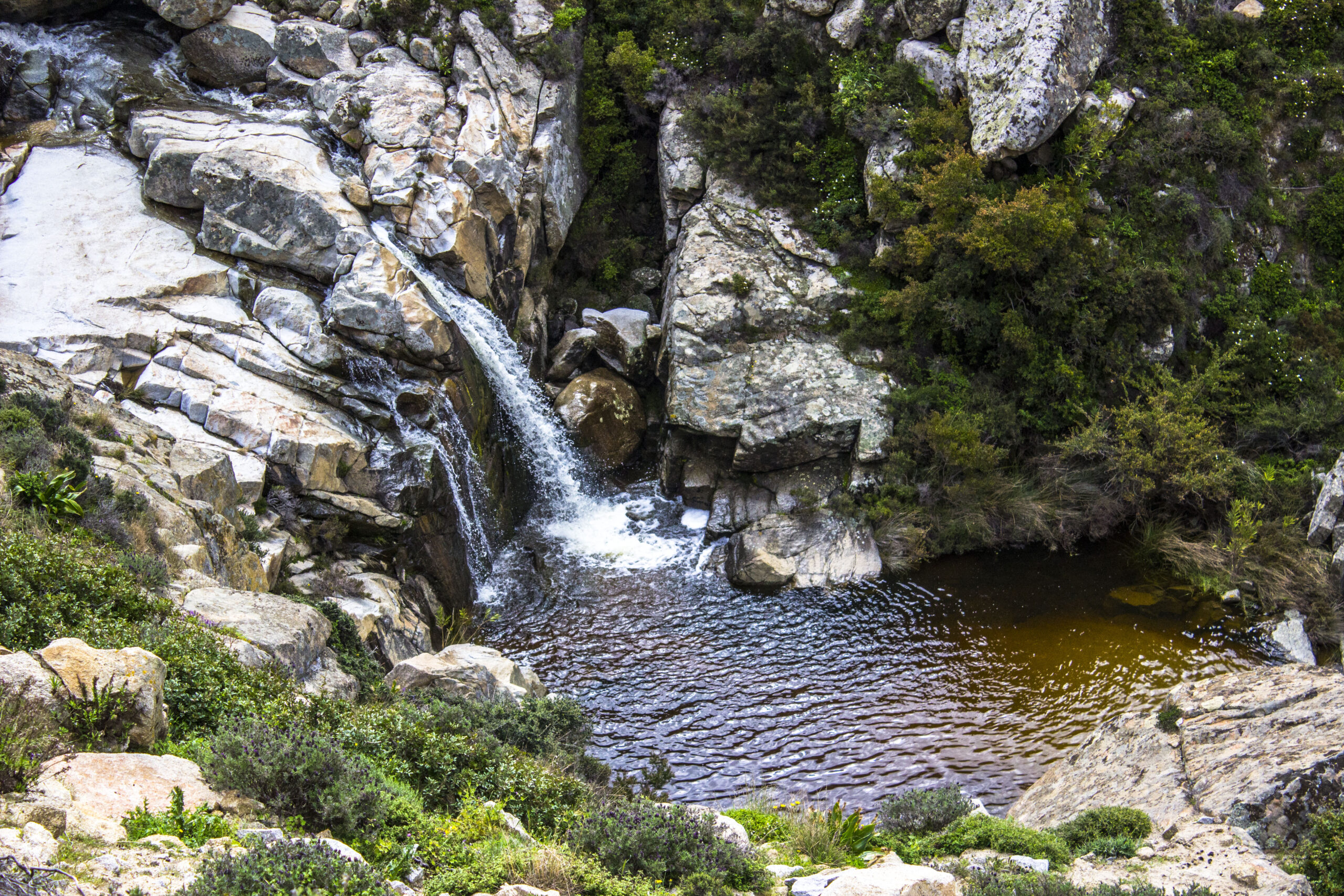
Welcome to Koumaros Village, a small and picturesque community of fewer than thirty inhabitants, located on the steep mountainside of Fourka. The village boasts a spectacular view of the surrounding area, including the nearby old castle of Exomvourgo, which is connected to Koumaros via a scenic path.
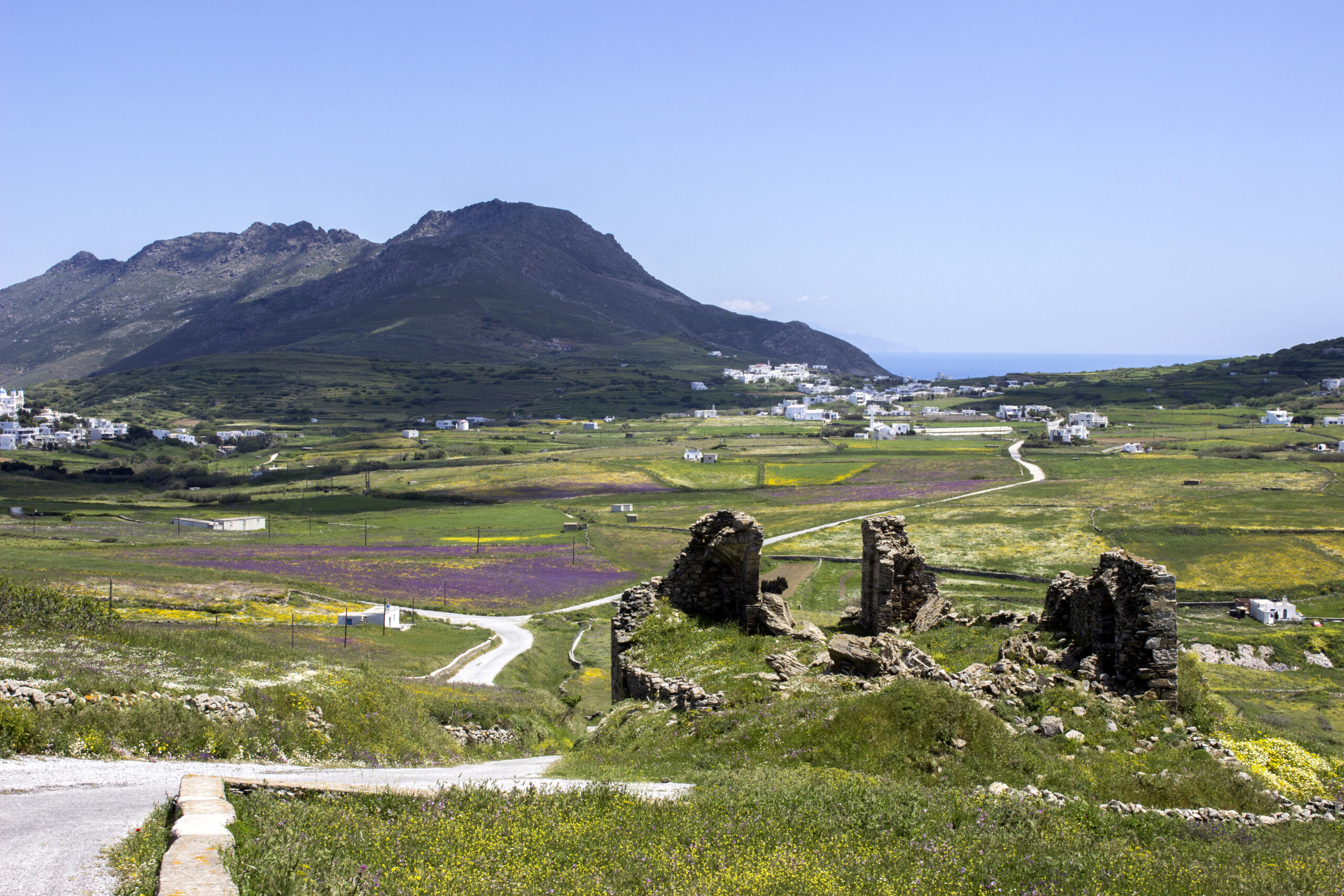
Koumaros is also known for its rich cultural heritage, with regular events taking place at the recently created theater by Costas Tsoklis. Visitors can explore the abandoned Ursulines’ convent and the church of St. Angela, the founder of the brotherhood, both located in the surrounding area.
If you’re lucky enough to visit in August, you’ll have the opportunity to experience the village’s biggest celebration of the year on the day of the Savior. The festivities include a large feast that brings the entire village together in celebration.
To reach Koumaros Village, head 10 km off Chora (Tinos) and follow the new road network starting from Tripotamou Av, leading to Komi. After 5 km, just before Krokos village, turn right to Skalados and, after passing through the village, turn right towards Koumaros. We look forward to welcoming you to our beautiful village!
- 1976: the first Council of Koumaros' Residents
- Over 800 residents on summer
Visitor Experience
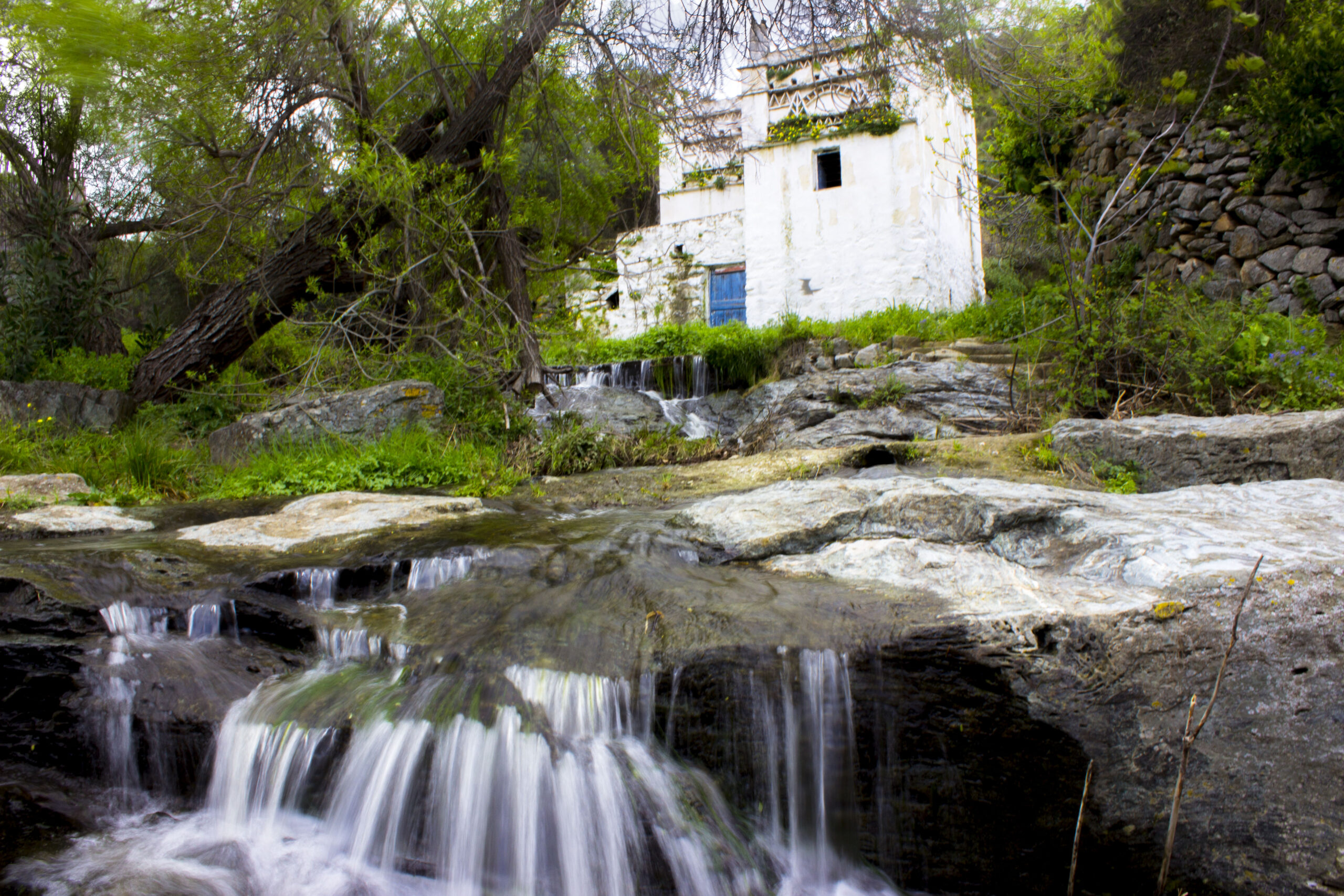
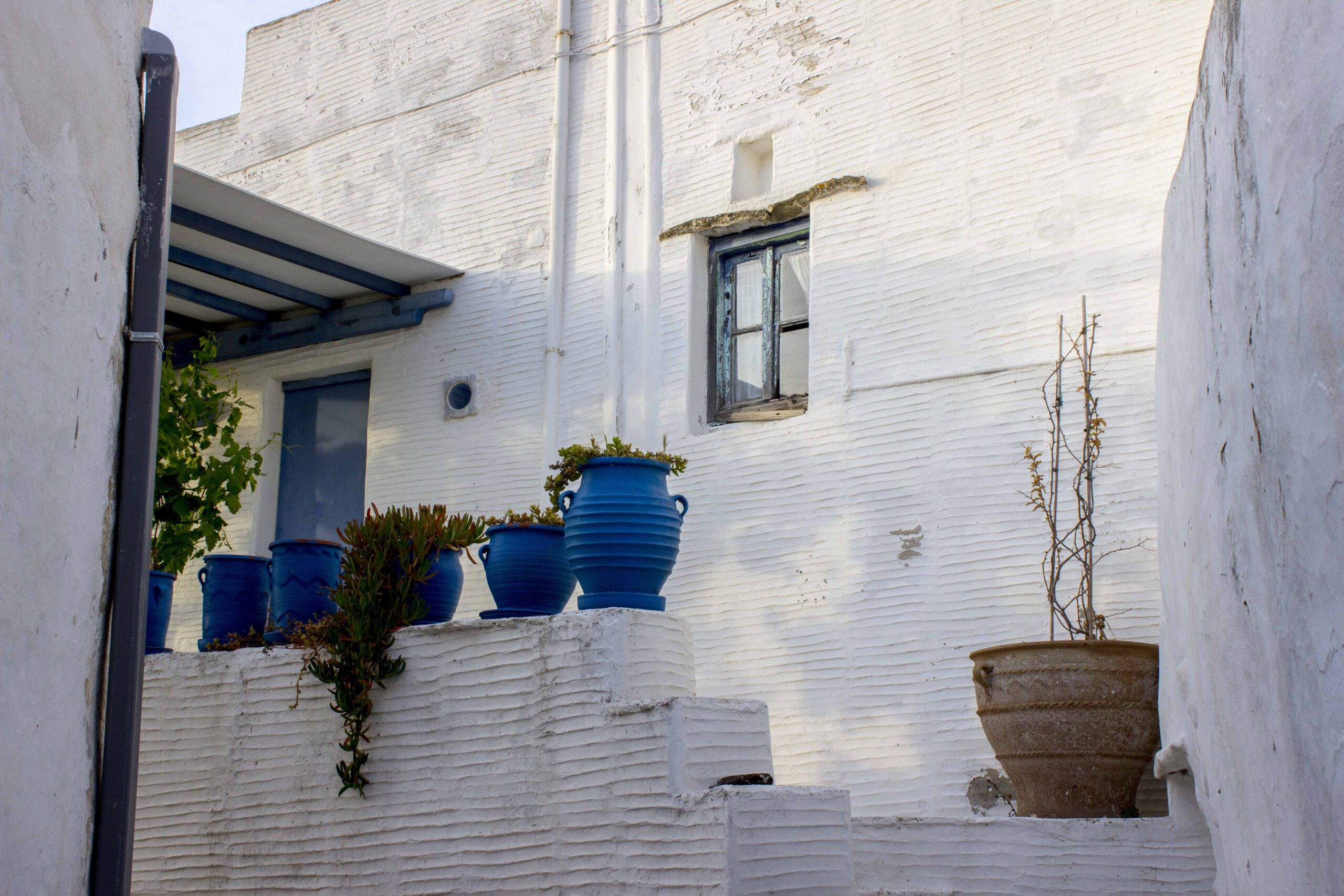
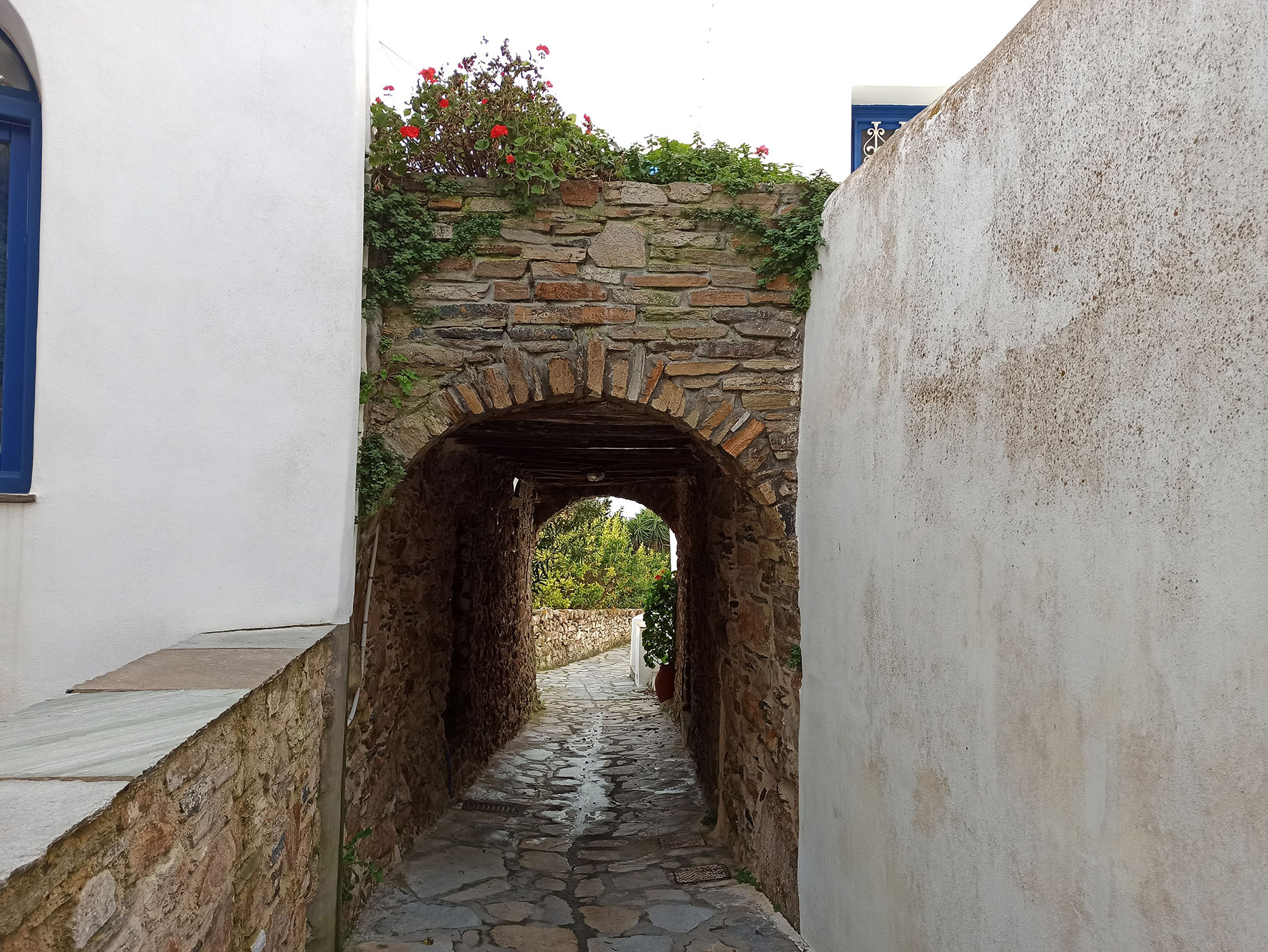
Visitors to Koumaros enjoy breathtaking views of the island’s northern coast, stunning sunsets, pristine alleys, old fountains, and traditional arches. The village exudes tranquility and cleanliness. The Association’s hall impresses with its self-service offerings, including coffee, ice cream, raki, soft drinks, and more.
Community Contributions
In 1976, expatriated residents founded the Koumaros Association, which has since accomplished significant projects, including building a basketball court, a playground, paving the village streets, and more.
Historical Background
Koumaros, located northeast of the Tinos Castle, is built at an altitude of 370 meters on the slope of a rocky hill named Koumarovouni. Its name likely originates from the “koumaria” shrub. The surname “Koumrianos” is first mentioned in a 1446 document referencing Joannes Cumariano. This suggests that the village is much older, possibly dating back to the Byzantine era.
Strategic Location
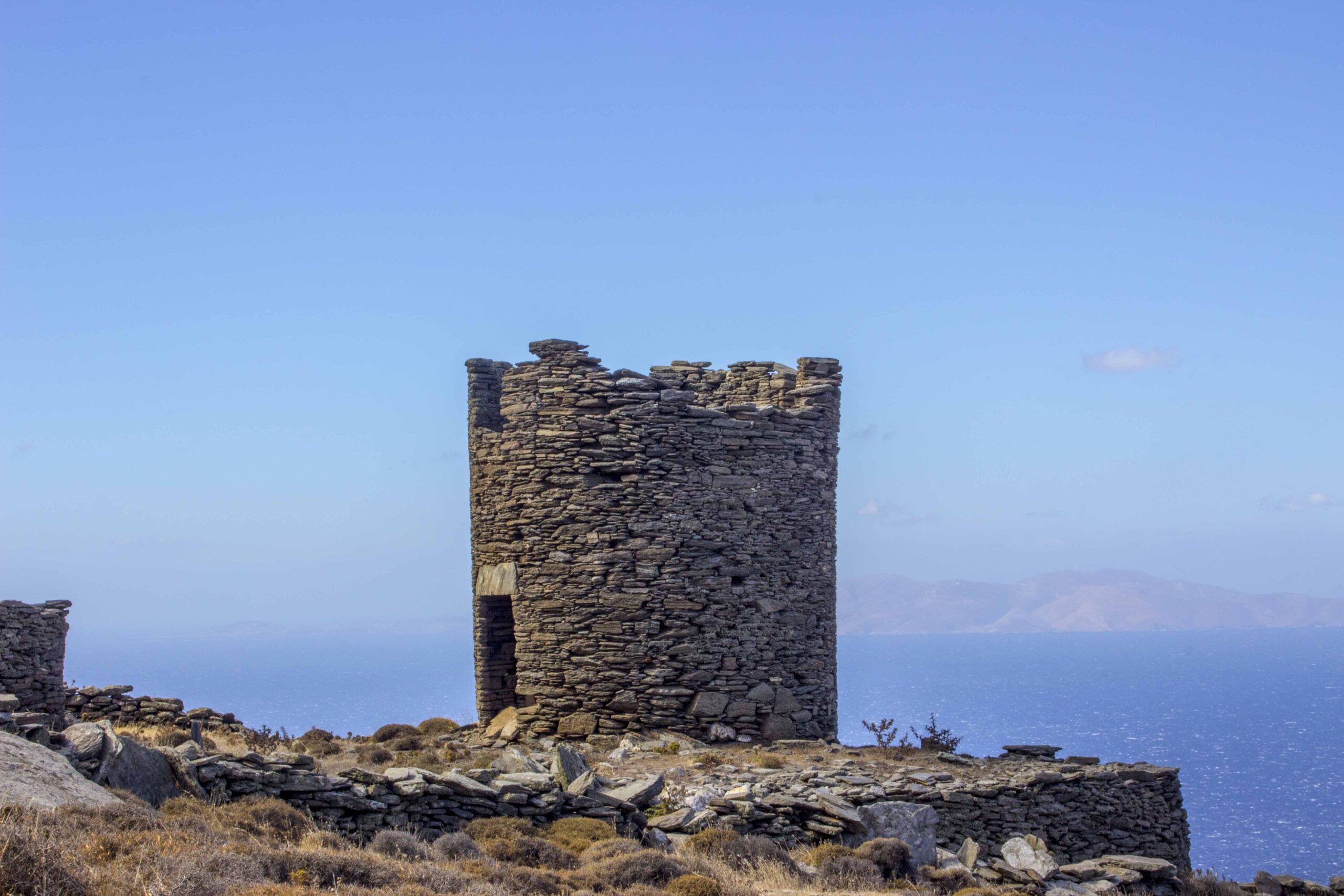
The village’s proximity to the castle proved advantageous during times of invasion, as residents could quickly reach the castle gates via a nearby path.
Modern Living
Nowadays, Koumaros is sparsely inhabited during the winter but comes alive in the summer with returning residents and visitors.